

Extraordinary historic places to stay in Italy
With its rich history, romantic landscapes and world-famous culture, Italy has long been one of Europe’s most popular destinations.
Our varied collection of historic self-catering properties dots the map from Venice to Rome, with fabulous locations in famous cities or set deep within storied landscapes. Each of our self-catering properties has its own rich history, important architectural features and, of course, unforgettable accommodation.
If you’re planning to visit Italy, take a look at our selection of extraordinary places to stay, for groups of all sizes.
Villa Saraceno
Where: Near Vicenza
Sleeps: 16
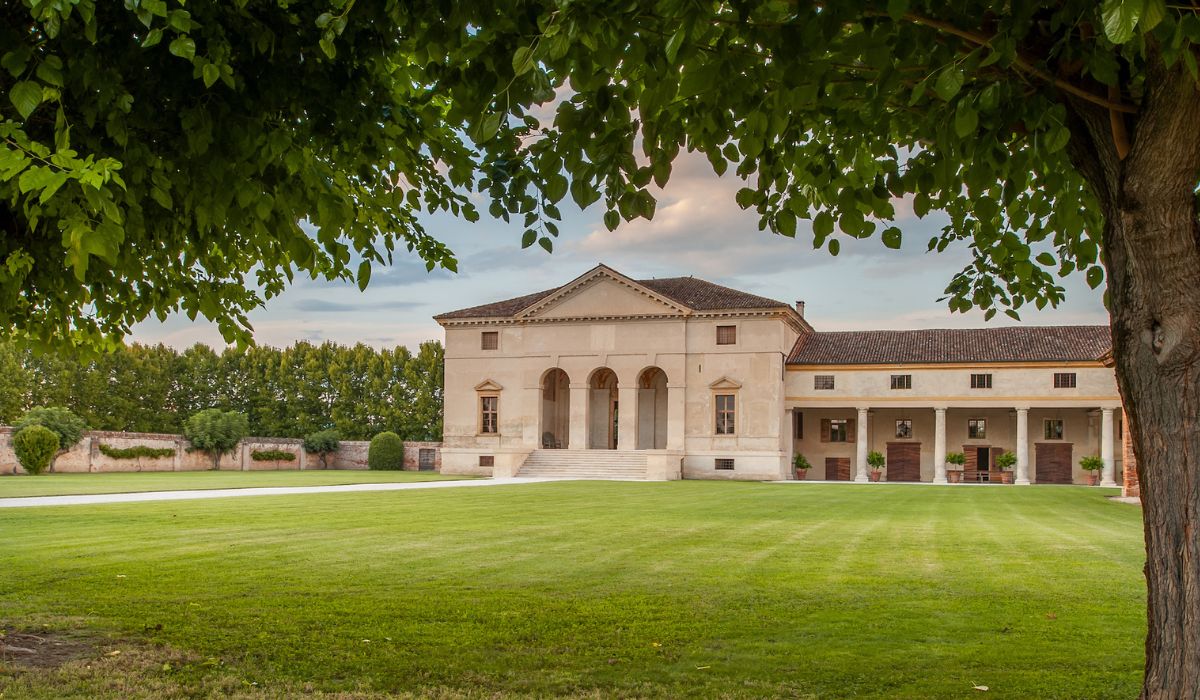
Surrounded by the fertile plains and golden horizons of the Veneto, where fireflies dot the evening skies, lies the sublime Villa Saraceno. Created in the 16th century by influential Renaissance architect Andrea Palladio, the huge villa was designed according to principles of harmony and proportion as a cultured rural retreat for wealthy city folk seeking solace in nature.
With its symmetrical plan, grand portico and generously proportioned rooms, Villa Saraceno is archetypal of Palladio’s villa designs, many of which sprinkle this landscape just an hour from Venice - now a Unesco World Heritage Site.
Some of these villas you can visit, but none other than Villa Saraceno can you have all to yourselves to live, sleep and absorb the carefully laid out recreational vision of one of history’s greatest architects.
Piazza di Spagna
Where: Central Rome
Sleeps: 4
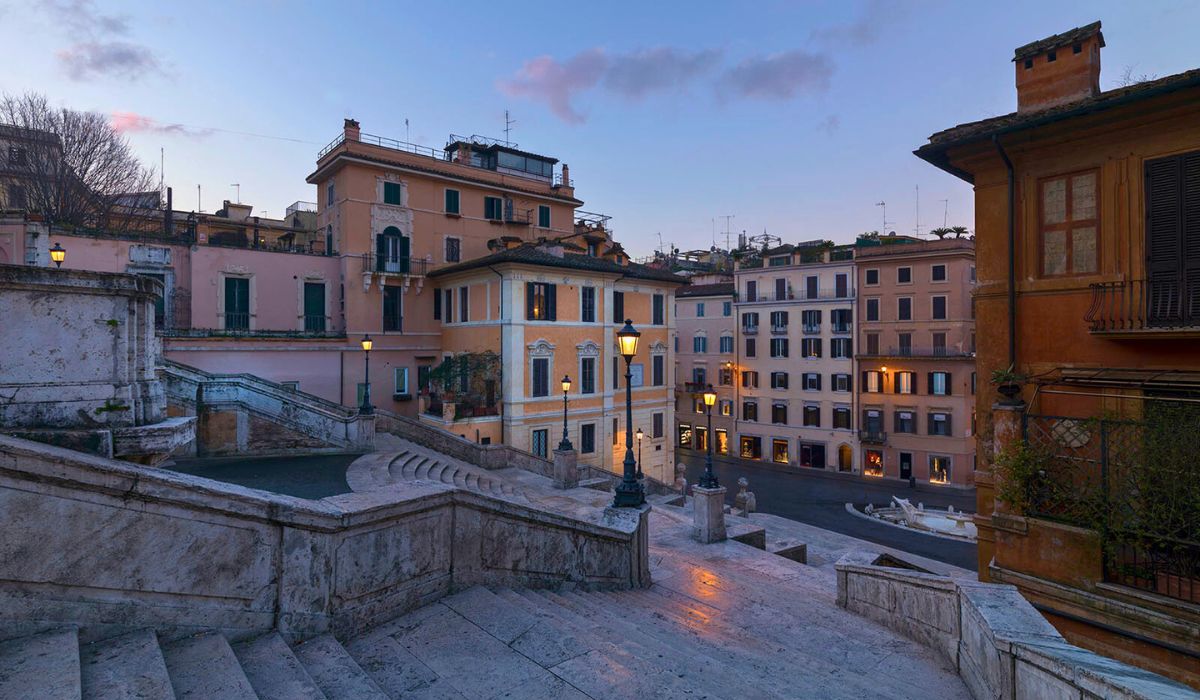
Live at the very heart of Rome, in spacious rooms overlooking the Spanish Steps. Located on the third floor of the Keats-Shelley House, named after the two young poets who died in Italy in 1821 and 1822, this grand residence offers a rare opportunity to stay where John Keats spent his final days.
The apartment has been restored to its appearance around 1821, when the Piazza di Spagna was the favourite haunt of British ‘milords’ on their Grand Tour – only now, the bedrooms have the welcome addition of air conditioning. The atmosphere here still holds a timeless quality – free of traffic, alive with voices, footsteps, and even the occasional clip-clop of horse-drawn carriages. The sitting room of the apartment looks up the Spanish Steps – arguably the world’s grandest and most sophisticated outdoor staircase – to the Baroque splendour of the church of S. Trinità dei Monti. This is a rare chance to stay in the heart of Rome, in a place cherished by devotees of Romantic literature and 18th-century history alike.
Sant’Antonio
Where: Tivoli, near Rome
Sleeps: 12
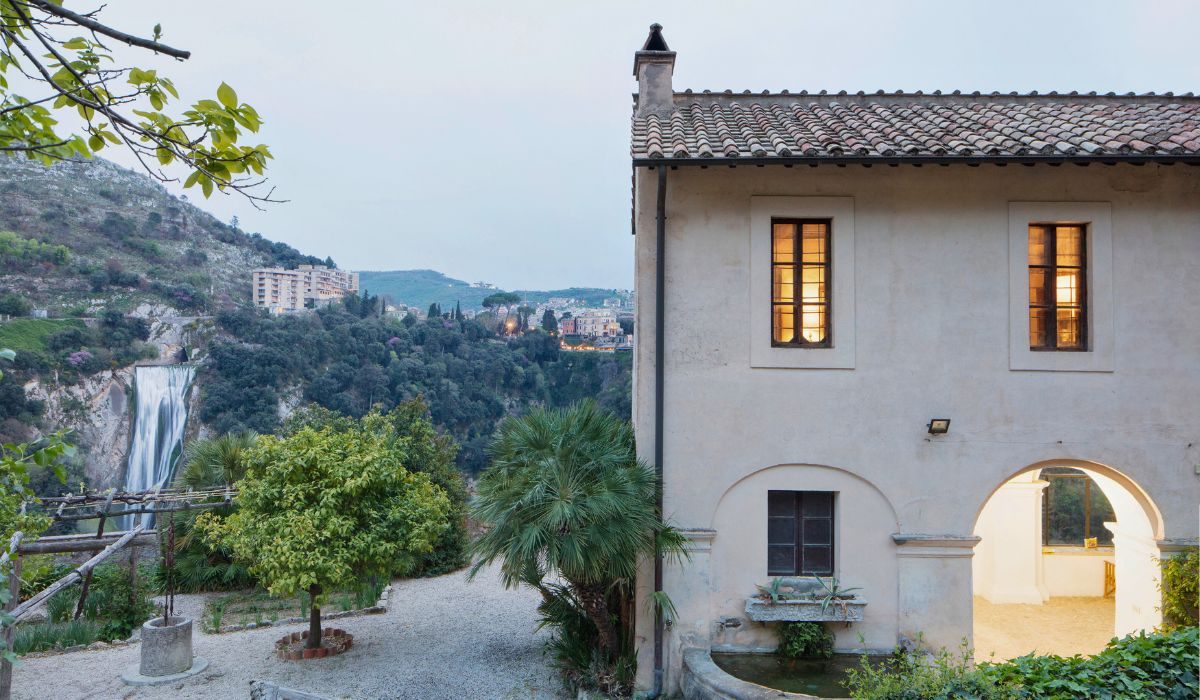
Just outside Rome, the hilltop town of Tivoli and its surrounding landscape has long been a sanctuary for those wishing to escape the heat of the city. Up here, a cool breeze known by the locals as ‘Ponentino’ blows up from the wooded valleys, breaking up the warm evening air.
Perched above one of these valleys, overlooking a spectacular waterfall, the former monastery of Sant’Antonio was built over a Roman villa believed to have belonged to the poet Horace. It’s now an atmospheric Landmark for groups of up to 12 people, with jaw-dropping views from every room.
With such uplifting vistas and energising breezes, it’s little wonder that the hills here are dotted with so many temples, shrines, monasteries, castles and villas. Read more about this enhanting region in our local's guide to Tivoli.
Villa dei Vescovi
Where: Near Padua
Sleeps: Two apartments, each sleeping four
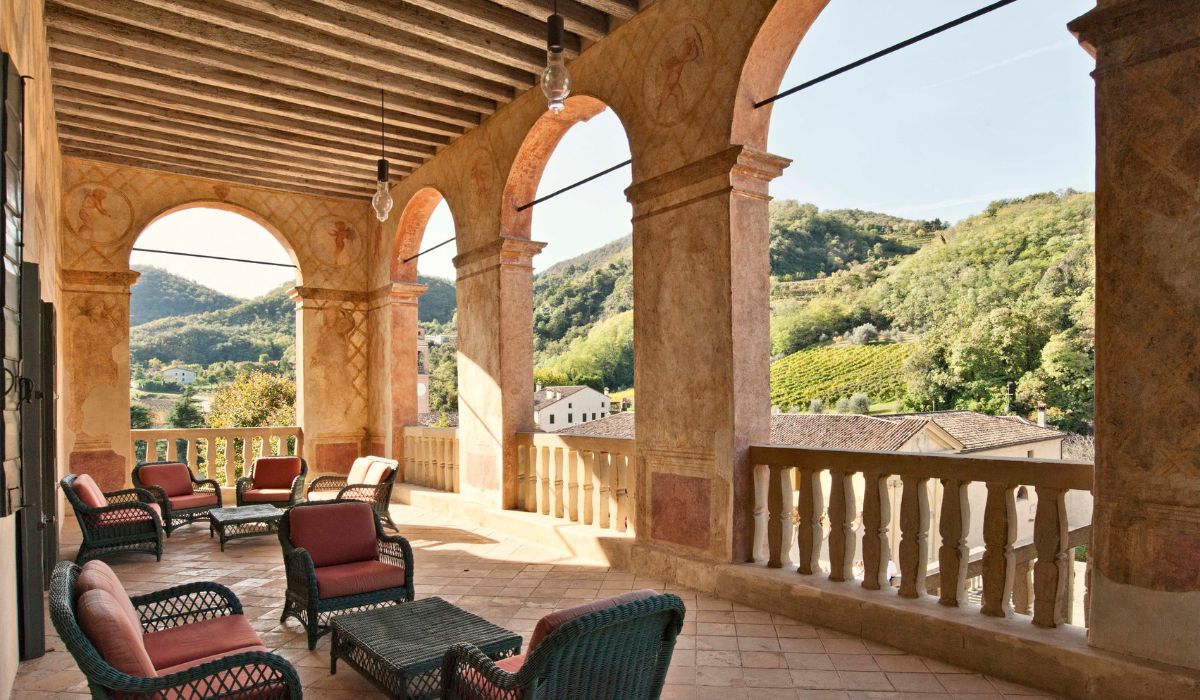
Set high above orchards and vineyards in Italy’s idyllic Euganean Hills, this important Renaissance villa was once the summer residence of Paduan bishops.
To stay at Villa dei Vescovi is to inhabit not just a historic building, but a vision of harmony between architecture and nature. Designed in the 1530s by Giovanni Maria Falconetto for the Bishop of Padua, its raised terraces, symmetrical forms and painted frescoes reflect a period when retreat to the countryside was as much about intellect as leisure.
Our two apartments, cared for in partnership with Italian heritage organisation Fondo Ambiente Italiano (FAI), are tucked beneath the roof of the main villa and offer privileged access to the building. Mansarda del Vigneto has views over the vineyard and the other, Mansarda del Frutteto, overlooks the orchards.
Sitting amid the frescoes on the wide west loggia as the sun sets over the hills, looking out on a landscape little changed for centuries, it’s easy to forget there’s so much to do in the surrounding region. Padua is close, Venice within reach – and the Euganean Hills are a miniature paradise on earth: sweet valleys, conical volcanic peaks, fascinating flora and fauna, hot springs, castles, villas and historic gardens.
Casa Guidi
Where: Central Florence
Sleeps: 5
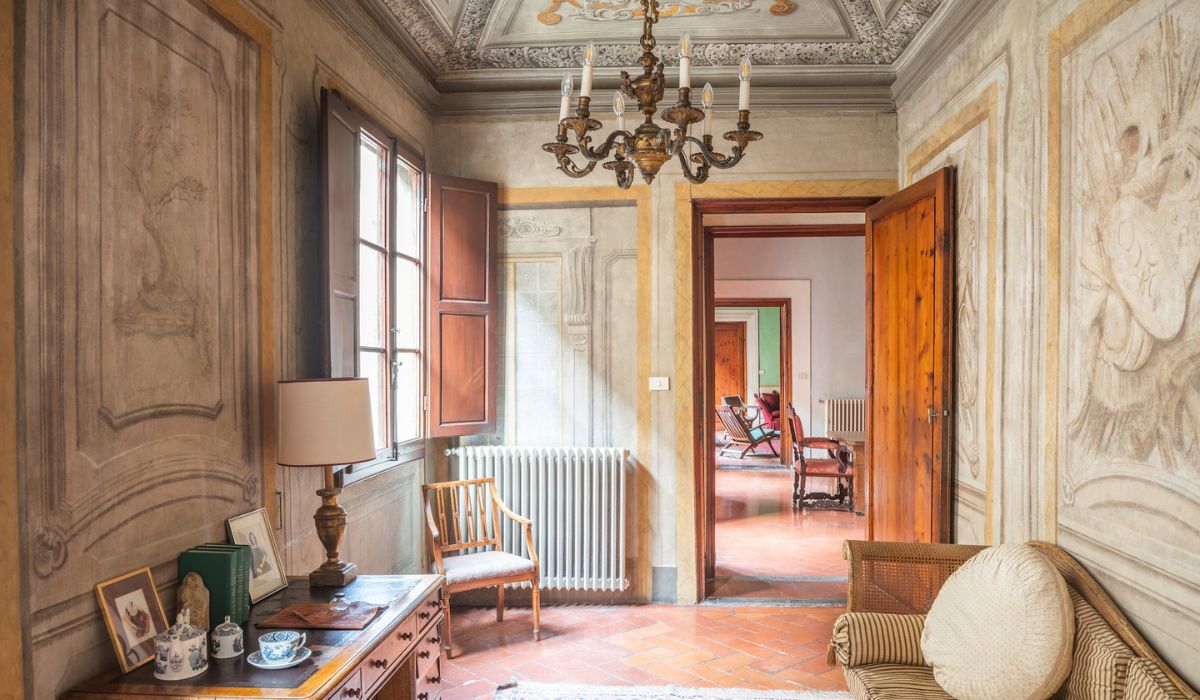
Tucked away on a quiet street in the heart of Florence, Casa Guidi offers a rare chance to step into the world of two of the 19th century’s most celebrated poets: Elizabeth and Robert Browning. Once their family home, this graceful apartment occupies part of the 15th-century Palazzo Guidi, originally built for the noble Ridolfi family. Today, Casa Guidi has been meticulously restored in elegant 18th-century style, closely reflecting the atmosphere the Brownings would have known and loved.
With its soaring ceilings, original features, and literary legacy, Casa Guidi is both a sanctuary and a cultural time capsule. Just steps from Florence’s most iconic treasures - San Miniato al Monte, the Ponte Vecchio, and Michelangelo’s David - Casa Guidi offers a refined and authentic Florentine experience. Though central, the neighbourhood retains a calm, local character, making it the perfect base for both first-time explorers and seasoned lovers of the city. For those seeking history, poetry, and quiet grandeur, Casa Guidi is unmatched.
Casa de Mar
Where: San Fruttuoso
Sleeps: 2
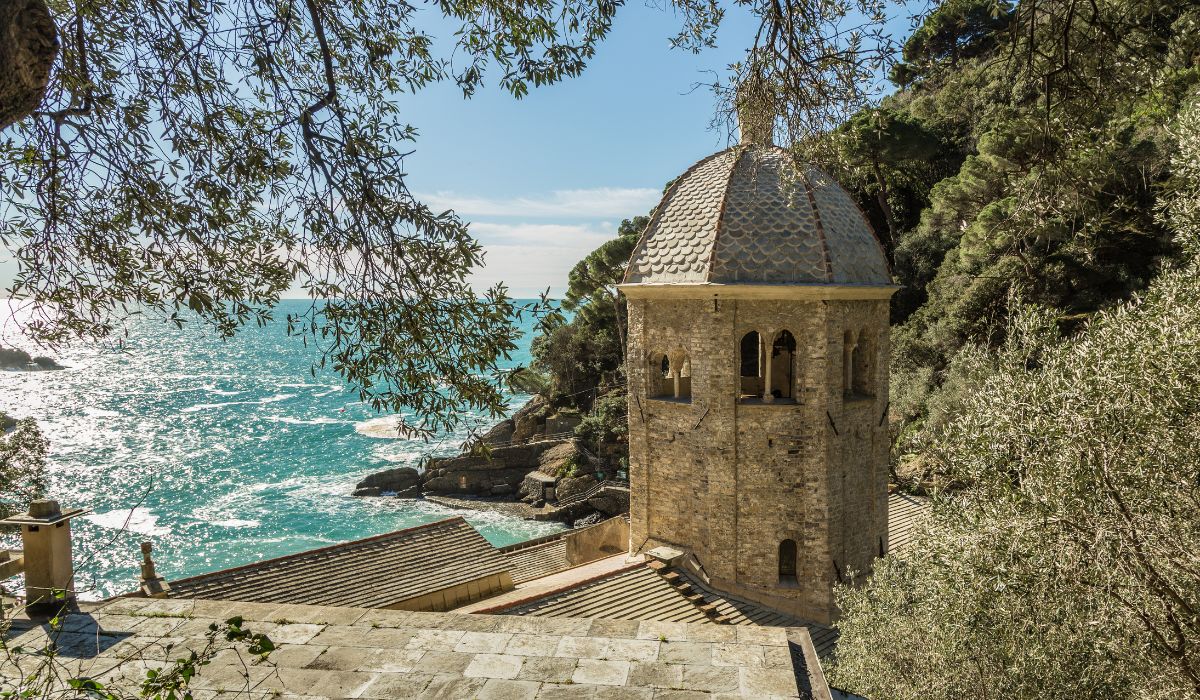
Perched high above the roof exceptional medieval abbey site in a tiny and exclusive cove on the Portofino Peninsula, this little house looks out over the blue Mediterranean. It has its own seaward terrace and a small garden. Casa de Mar is modest in size and character, but the wider setting gives it the greatest distinction - of history, architecture and natural setting. The site is managed by our partners, the Fondo Ambiente Italiano (FAI), who count San Fruttuoso 'an asset of inestimable beauty.' We entirely agree.
San Fruttuoso nestles among pine trees and olive groves between a little beach and the Capodimonte mountains, near Genoa. The bay is accessible only by sea; day visitors come to appreciate the abbey, eat at the taverna, and flock to the small beach in the summer, but at the end of each day, the regular boat service from Camogli and Portofino takes away all but the lucky few who live here, or who stay in Casa de Mar.


